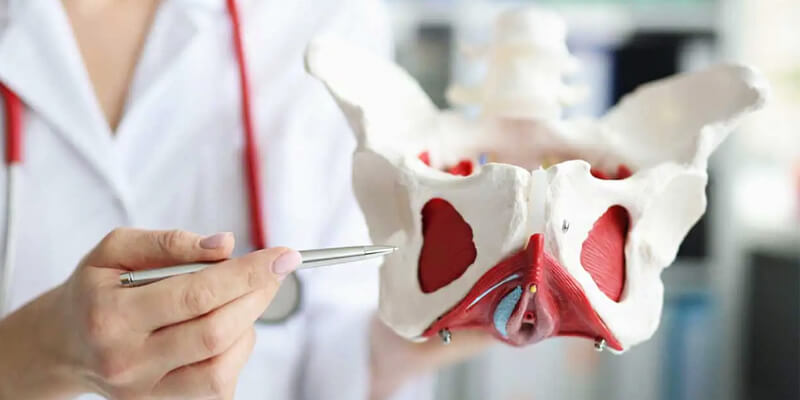
Vaginismus is a female sexual dysfunction characterized by the involuntary contraction or persistent tightness of the muscles around the vaginal opening when penetration is attempted. This can make sexual intercourse, tampon insertion, or gynecological exams difficult, painful, or impossible, despite the individual being sexually aroused or desiring penetration.
Key Features
- Involuntary Muscle Spasms: The defining characteristic is the uncontrollable tightening of the pelvic floor muscles.
- Painful Penetration (Dyspareunia): Pain can range from mild discomfort to a severe burning or stinging sensation.
- Fear and Anxiety: There is often a significant fear or anxiety surrounding anticipated pain from vaginal penetration.
- Avoidance Behavior: Women may actively avoid sexual activity or necessary medical exams that involve penetration.
- Normal Arousal: Vaginismus does not typically interfere with sexual arousal or the ability to achieve orgasm through clitoral stimulation.
Types
Vaginismus is generally classified into two types:
- Primary Vaginismus: When vaginal penetration has never been achieved.
- Secondary Vaginismus: When the condition develops after a period of normal sexual function, often due to a specific trigger like a traumatic event, infection, or childbirth.
Causes
The exact cause is not always known, but contributing factors can be both physical and psychological:
| Category | Conditions and Factors |
|---|---|
| Psychological | Past sexual trauma or abuse, anxiety, fear of pain, strict upbringing, negative beliefs about sex, stress, and relationship issues. |
| Physical | Vaginal infections (like yeast infections), childbirth trauma, menopause, pelvic surgery, lack of lubrication, or certain medical conditions (e.g., endometriosis). |
Diagnosis
A healthcare provider, typically a gynecologist, diagnoses vaginismus through a comprehensive assessment:
- Medical and Sexual History: A detailed discussion of symptoms, when they started, and any potential physical or emotional triggers is crucial.
- Physical Examination: A gentle pelvic exam is conducted to rule out any underlying physical conditions (like anatomical abnormalities or infections). The doctor assesses muscle tone and contractions. A topical numbing cream may be used to increase comfort during the exam.
Treatment
Vaginismus is treatable, and most women experience significant improvement with the right approach:
- Education and Counseling: Sex education and psychosexual counseling or Cognitive Behavioural Therapy (CBT) can help address fear, anxiety, and negative associations with sex.
- Pelvic Floor Physical Therapy: A specialist can teach relaxation exercises and muscle control techniques.
- Vaginal Dilators: A common treatment involves the gradual use of smooth, lubricated, cone-shaped devices (vaginal dilators) of increasing sizes to help the muscles stretch and become accustomed to penetration.
- Botox Injections: In some cases, Botox injections into the pelvic floor muscles can temporarily paralyze them, allowing the muscles to retrain.
If you or someone you know is experiencing symptoms of vaginismus, consulting a healthcare professional is recommended for a proper diagnosis and treatment plan.