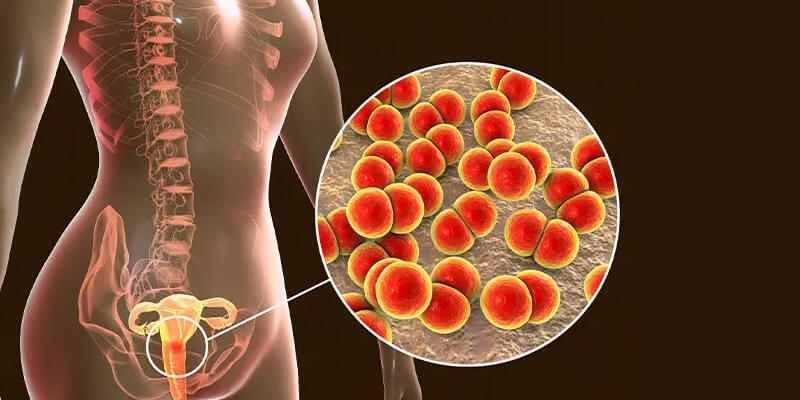
Gonorrhea is a common sexually transmitted infection (STI) caused by the bacterium Neisseria gonorrhoeae. It can infect both men and women and commonly affects the urethra, rectum, or throat. It is often asymptomatic, meaning many people do not know they have it. If left untreated, it can lead to serious health complications, including infertility.
Key Features
- Caused by a specific type of bacteria (*Neisseria gonorrhoeae*)
- Transmitted through unprotected sexual contact (vaginal, anal, oral)
- Many infections are asymptomatic, especially in women
- Easily diagnosed with simple urine tests or swabs
- Curable with appropriate antibiotic treatment
Possible Symptoms
- Painful or burning sensation during urination
- Abnormal discharge from the penis (white, yellow, or green) or vagina (watery, creamy, or slightly green)
- Pain or swelling in one or both testicles (less common)
- Anal itching, discharge, soreness, or bleeding
- Sore throat (if infected orally)
- Lower abdominal or pelvic pain in women
What Causes It?
Gonorrhea is transmitted exclusively through bacterial infection during sexual activities. Causes and risk factors include:
- Unprotected sexual intercourse with an infected partner
- Having multiple sexual partners
- History of previous STIs
- Sexual contact with someone who has multiple partners
- Failure to use barrier methods like condoms consistently and correctly
Severity Types
- Asymptomatic/Undetected: No symptoms, high risk of transmission and future complications
- Localized: Infection confined to the primary site (urethra, cervix, rectum, throat)
- Complicated/Pelvic Inflammatory Disease (PID): Infection spreads to the reproductive organs (in women) causing severe pain and potential infertility
- Disseminated Gonococcal Infection (DGI): Bacteria spreads through the bloodstream to joints, skin, and other organs (rare but serious)
Early detection and treatment of Gonorrhea are crucial to prevent long-term damage. The infection is treatable with antibiotics, but due to increasing antibiotic resistance, testing and appropriate medical follow-up are vital. Regular STI screening is recommended for sexually active individuals.